Understanding Smart Glasses and Their Applications
Smart glasses have emerged as a transformative technology over the past few years, blurring the line between traditional eyewear and cutting-edge electronics. These innovative devices are designed to seamlessly integrate augmented reality (AR) and virtual reality (VR) experiences into everyday life. As the technology matures, it opens up a world of possibilities across various industries, from healthcare to entertainment and beyond. When exploring options, smart glasses offer a comprehensive insight into this evolving field, showcasing their potential and challenges.
What are Smart Glasses?
Smart glasses are advanced eyewear equipped with technology that allows users to display information, capture images, or interact with augmented reality environments. Unlike traditional glasses, which serve solely to correct vision, smart glasses can provide notifications, GPS directions, and even video feeds directly in the user’s line of sight. They often include features such as built-in cameras, microphones, and speakers to enhance their functionality, making them a versatile tool for both personal and professional use.
Key Uses Across Industries
- Healthcare: Surgeons use smart glasses to access patient information hands-free during procedures, allowing for improved precision and efficiency.
- Manufacturing: Workers utilize smart glasses to receive real-time instructions and visual overlays, boosting productivity while minimizing errors.
- Entertainment: Gamers and movie-watchers can enjoy immersive experiences through augmented and virtual reality applications.
- Education: Students are using smart glasses for interactive learning environments, enhancing engagement and retention of information.
How Smart Glasses Enhance User Experience
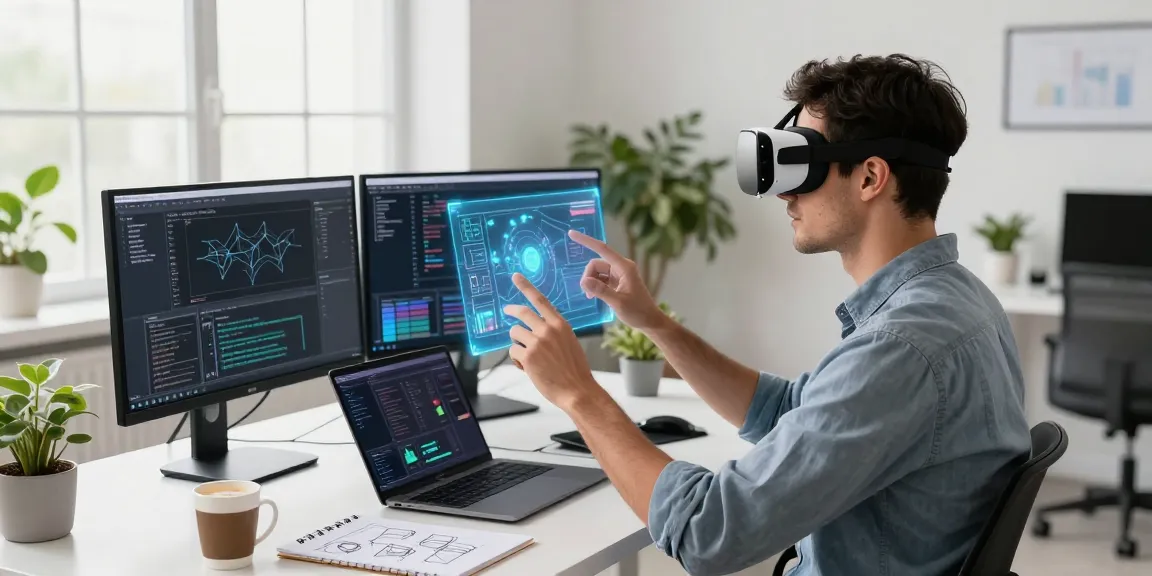
The transition from conventional devices to smart glasses offers a myriad of enhancements to user experience. For instance, hands-free operation allows users to multitask effectively, accessing vital information without disrupting their workflow. Furthermore, the ability to overlay digital information onto the physical world can aid in tasks that require both focus and data analysis, such as assembly line work or navigation in unfamiliar spaces. This level of integration has the potential to create highly tailored experiences that improve both efficiency and enjoyment.
Latest Innovations in Smart Glasses Technology
The smart glasses market is continuously evolving, with new innovations emerging to enhance the functionality and usability of these devices. In 2026, we are witnessing significant advancements in display technology, battery life, and connectivity options, allowing smart glasses to become even more ingrained in daily life.
Advanced Features to Look For in 2026
- Improved Visual Displays: Future smart glasses are expected to offer higher resolutions, enhanced color accuracy, and variable brightness to improve outdoor usability.
- Longer Battery Life: Battery technology advancements aim to extend usage time significantly, making smart glasses more practical for all-day wear.
- AI Integration: Smart glasses will increasingly incorporate AI for contextual awareness, allowing them to adapt to user preferences and environments more intelligently.
Comparative Analysis of Popular Models
As the market for smart glasses expands, several models have gained prominence. Devices such as the Xreal One Pro and Meta’s Ray-Ban Stories lead the pack, each offering unique features tailored to different user needs. The Xreal One Pro is known for its high-definition display and gaming capabilities, while the Ray-Ban Stories provide a stylish design blended with camera functionality for content creators. Evaluating these options based on individual requirements—be it gaming, photography, or professional use—will help consumers find their ideal fit.
Integration with Augmented Reality and AI
AR technology has become increasingly prevalent in smart glasses, enabling users to interact with digital content in real-time physical environments. This integration not only makes everyday tasks more efficient but also provides endless opportunities for entertainment and creativity. By combining AR with AI, smart glasses can offer personalized experiences, analyzing user behavior and enhancing functionality through machine-learning algorithms.
Choosing the Right Smart Glasses for Your Needs
Selecting the perfect pair of smart glasses can be a daunting task given the vast array of options available. To make an informed decision, potential buyers should assess their specific needs and preferences before committing to a purchase.
Evaluating Essential Features and Specifications
- Display Quality: Choose smart glasses with a display resolution that suits your intended use, whether for gaming, professional tasks, or casual viewing.
- Comfort and Fit: Ensure that the smart glasses are ergonomically designed for prolonged use, especially if they will be worn throughout the day.
- Battery Life: Prioritize models with sufficient battery longevity to support your daily activities without frequent recharging.
Smart Glasses for Specific Use Cases
Different industries require specific functionalities from smart glasses. For instance, healthcare professionals may prioritize models with high-definition cameras and real-time data visualization capabilities, while gamers might seek devices optimized for immersive experiences. Understanding the unique demands of various use cases will significantly improve the satisfaction derived from the purchase.
Budget Considerations: Finding the Best Value
Smart glasses can vary significantly in price, with high-end models featuring cutting-edge technology often costing more than basic versions. Setting a budget is essential, but potential buyers should also consider the long-term value and potential return on investment offered by more advanced models, which may offer features that enhance productivity or leisure over time.
Challenges and Misconceptions Surrounding Smart Glasses
Despite the advancements in smart glasses technology, there are still challenges and misconceptions that may deter potential users from adopting this innovative solution. Addressing these issues is vital for broader acceptance of smart glasses.
Common Issues Users Face
- Comfort: Some users report discomfort due to weight or fit issues, which can hinder prolonged use.
- Usability: Users may struggle with the learning curve associated with new technologies, particularly those unfamiliar with AR interfaces.
- Application Limitations: The available applications may not meet all user expectations, particularly in niche markets.
Addressing Privacy Concerns
Privacy remains a significant concern for potential smart glasses users, particularly due to the presence of built-in cameras and microphones. Manufacturers must implement robust privacy measures and educate users about how their data is used and protected. Transparent policies surrounding data collection and usage are critical in establishing trust and encouraging widespread adoption.
Debunking Myths About Smart Glasses
Various myths surround smart glasses, such as the perception that they are overly complicated or only useful for tech enthusiasts. In reality, smart glasses are designed to enhance everyday activities and can be user-friendly for a broad audience. Clarifying these misconceptions can lead to greater acceptance and adoption.
The Future of Smart Glasses: Trends and Predictions
The future of smart glasses is bright, with continuous advancements expected to redefine how we interact with technology. As integration with artificial intelligence, augmented reality, and cloud computing progresses, smart glasses are poised to become staple devices in both personal and professional realms.
Emerging Technologies Shaping Smart Glasses
Technologies such as 5G connectivity, AI-powered interfaces, and advanced sensor technologies are set to elevate the capabilities of smart glasses. These innovations promise to improve real-time data processing, leading to enhanced user experiences across all applications.
The Role of Smart Glasses in Everyday Life
In the coming years, smart glasses will likely permeate various aspects of daily life, from navigation and communication to fitness and entertainment. As they become more integrated into our routines, users will find increasing value in their capabilities, making them indispensable personal gadgets.
Predictions for the Smart Glasses Market in 2026
By 2026, the smart glasses market is expected to experience robust growth, with advancements in technology driving consumer adoption rates. More companies are likely to enter the market, offering a wider variety of models tailored to different user needs, further promoting the versatility and appeal of smart glasses.
What are the best smart glasses for everyday use?
When considering the best smart glasses for daily use, factors like comfort, battery life, and versatility are paramount. Devices like the Meta Ray-Ban Stories and Xreal One Pro cater to various needs, providing functionalities that enhance everyday activities.
How do smart glasses integrate with other devices?
Smart glasses typically connect with smartphones and other devices via Bluetooth or Wi-Fi, enabling seamless integration that allows users to manage calls, notifications, and other applications without reaching for their phones.
Can smart glasses improve productivity?
Yes, smart glasses can significantly enhance productivity by providing users with access to critical information hands-free. This capability allows for multitasking and improves workflow efficiency in both professional and personal tasks.
What are the privacy implications of using smart glasses?
Smart glasses raise valid privacy concerns, particularly regarding data capture and usage. Users must be aware of the privacy policies associated with their devices and choose models that prioritize user privacy and data security.
Which smart glasses have the best battery life?
Models like the Vuzix Blade and the Xreal One Pro are known for their impressive battery longevity, enabling users to engage with their smart glasses throughout the day without frequent recharging.